Introduction
In the vibrant world of Japanese pop culture, few phenomena capture the essence of fan passion quite like “doujen moe.” This term blends two key concepts: “doujen moe,” referring to self-published, independent works created by fans, and “moe,” a slang expression for the affectionate, often overwhelming adoration fans feel toward cute, endearing characters or traits. Together, doujin moe represents a niche yet influential subculture where amateur creators channel their love for anime, manga, and games into original or derivative content that emphasizes emotional connection and cuteness. Far from being a fringe interest, doujin moe has evolved into a global movement, influencing mainstream media, fostering communities, and sparking debates on creativity, copyright, and cultural expression. This article delves into the origins, characteristics, cultural impact, and future of doujin moe, shedding light on why it continues to captivate millions.
understand doujen moe
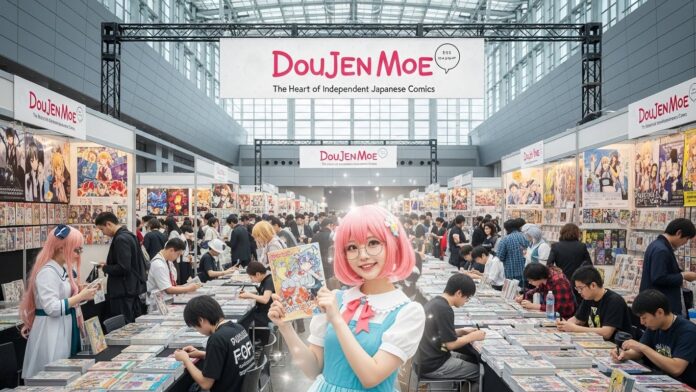
we must first break down its components. “doujen moe” is short for “doujen moe,” which translates to “same-person magazine” or self-published works. These are typically fan-made comics, novels, art books, or even games produced outside official channels. Originating in Japan during the Meiji era (late 19th century), doujinshi initially served as a platform for literary circles to share ideas independently. However, it exploded in popularity during the post-World War II era with the rise of manga and anime. By the 1970s, events like Comiket (Comic Market) provided a venue for creators to sell their works directly to fans, bypassing traditional publishers.
“Moe,” on the other hand, emerged in the late 1990s and early 2000s within otaku (obsessive fan) communities. It’s not easily translatable but describes a budding affection or “sprouting” of feelings toward fictional characters, often characterized by exaggerated cuteness, vulnerability, or idealized traits. Think wide-eyed girls with pastel hair, clumsy personalities, or heartwarming backstories that evoke protective instincts. Moe isn’t just visual; it’s emotional, tapping into fans’ desires for purity, innocence, and escapism in a complex world. When combined, doujin moe refers to fan creations that amplify these moe elements, often reimagining beloved characters from series like Sailor Moon, Neon Genesis Evangelion, or Love Live! in scenarios that heighten their appeal.
The allure of doujin moe lies in its grassroots nature. Unlike commercial anime or manga, which must adhere to market demands and censorship, doujen moe works allow creators—known as “circles” if they’re groups—to explore unrestricted ideas. A typical doujin moe piece might feature a fan-favorite character in a slice-of-life story, emphasizing their “moe points” like a shy smile or a endearing habit. For instance, in doujinshi based on K-On!, creators might depict the band members in cute, non-canonical adventures, such as baking cookies or sharing heartfelt moments, evoking waves of affection from readers. This freedom fosters innovation; many professional artists, including those behind hits like One Piece or Attack on Titan, started in doujin circles, honing their skills through moe-inspired works.
Historically, doujin moe gained momentum in the 1980s with the otaku boom. Comiket, founded in 1975, became the epicenter, growing from a small gathering to a biannual event attracting over 750,000 attendees. Here, moe-themed doujinshi dominate stalls, with artists selling limited-edition prints featuring characters in “moe-ified” forms—think chibi (super-deformed) versions or alternate universes where romance blossoms. The 1990s saw moe evolve with series like Key visual novels (Kanon, Air), which popularized tear-jerking narratives centered on vulnerable heroines. Doujin creators latched onto this, producing parodies and extensions that deepened fans’ emotional bonds. By the 2000s, the internet amplified doujin moe, with sites like Pixiv and DeviantArt allowing global sharing. English-speaking fans discovered it through scanlations (fan-translated scans), leading to a cross-cultural explosion.
One cannot discuss doujin moe without addressing its diverse genres. While often associated with wholesome cuteness, it spans spectrums, including romantic, comedic, and even adult-oriented content (known as “hentai doujin”). In moe-focused works, the emphasis is on “gap moe”—contrasts like a tough character showing a soft side—or “yuri moe” for female-female relationships that highlight tenderness. Popular tropes include “tsundere” (initially cold but warming up) or “loli” (childlike cuteness), though the latter sparks ethical debates. Creators use these to evoke “moe overload,” where fans feel an intense, almost parental affection. Games like doujin titles from circles such as Type-Moon (Tsukihime) blend moe with deeper storytelling, proving the genre’s versatility.
The cultural impact of doujen moe is profound
It democratizes art, empowering anyone with a pen or digital tablet to contribute. This has led to talent pipelines for the industry; for example, the creator of Puella Magi Madoka Magica drew from doujin influences. Economically, Comiket generates millions, with doujin sales rivaling some mainstream publications. Globally, it has inspired conventions like Anime Expo’s Artist Alley, where Western fans create moe-style fanart. Moreover, doujin moe challenges gender norms—many creators are women, subverting male-dominated narratives by focusing on emotional depth over action.
However, challenges abound
Copyright issues are a constant shadow; Japanese companies like Nintendo or Shueisha tolerate doujin as long as it’s non-profit and doesn’t harm the brand, but crackdowns occur. In 2010, a high-profile case involved a doujin circle sued for parodying Gundam. Internationally, platforms like Etsy or Redbubble face takedowns for IP violations. There’s also criticism of moe for objectifying characters, particularly female ones, reinforcing stereotypes. Feminists argue it promotes unrealistic ideals, while defenders see it as harmless fantasy. The adult side of doujin moe further complicates this, with sites dedicated to explicit content raising concerns about accessibility and consent in depictions.
In the digital age, doujin moe thrives online
Platforms like Booth.pm and DLsite allow creators to sell digital doujin, reaching international audiences. Social media amplifies visibility; Twitter (now X) threads showcase moe art, while TikTok edits set moe characters to viral sounds. The COVID-19 pandemic accelerated this shift, with virtual Comikets hosting online sales. Emerging technologies like AI art generators are stirring controversy—can AI capture true moe, or does it lack the human passion? Proponents argue it democratizes creation further, while purists decry it as soulless.
Looking ahead, doujin moe’s future seems bright yet evolving.
As anime goes global via streaming services like Crunchyroll, more fans will engage in creation, blending Western influences like Marvel crossovers with moe aesthetics. Sustainability is key; circles are pushing for eco-friendly printing, and communities emphasize mental health amid burnout from event prep. Inclusivity is growing, with more diverse representations in moe—LGBTQ+ characters, body positivity, and cultural fusions.
Conclusion
doujen moe is more than cute drawings or fanfics; it’s a testament to human creativity and connection. It transforms passive consumption into active participation, allowing fans to reshape worlds in ways that resonate deeply. Whether you’re a seasoned otaku or a curious newcomer, exploring doujin moe reveals the beating heart of anime culture—one adorable, affectionate panel at a time. As it continues to sprout new forms, it reminds us that passion, when shared, can create something truly magical.