Introduction
On a typical transatlantic journey, passengers expect smooth skies and timely arrivals. But sometimes, unexpected events lead to changes in plans. The united flight ua109 diversion in October 2025 serves as a prime example of how airlines prioritize safety above all else. This incident involved United Airlines Flight UA109, traveling from Munich to Washington Dulles, when it had to make an unscheduled stop in Dublin due to a medical concern with a crew member. While such diversions are rare, they highlight the rigorous protocols in place to protect everyone on board. In this article, we explore the background, details, and broader implications of this event, offering insights for travelers and aviation enthusiasts alike.
United Airlines, one of the world’s largest carriers, operates thousands of flights daily across global routes. Founded in 1926, the airline has grown into a major player with a fleet of over 1,000 aircraft, including advanced models like the Boeing 787 Dreamliner used on this flight. Its safety record remains strong, with no fatal accidents in over 30 years, excluding external factors like terrorism. United invests heavily in training, maintenance, and technology to ensure reliability. For instance, the airline participates in the IATA Operational Safety Audit (IOSA), a global benchmark that verifies compliance with international standards. This commitment helps maintain its 7/7 safety rating from reputable sources.
The transatlantic route from Munich International Airport (MUC) to Washington Dulles International Airport (IAD) is a staple for United, connecting Europe and North America. These flights typically last 8-9 hours, covering about 4,200 miles. The Boeing 787-8 Dreamliner, with its efficient design and long-range capabilities, is ideal for such journeys. It features advanced systems for fuel efficiency and passenger comfort, including larger windows and improved cabin pressure. However, even with top-tier equipment, unforeseen issues can arise, as seen in the united flight ua109 diversion.
United Airlines: A Legacy of Innovation and Safety
United Airlines traces its roots back to the early days of commercial aviation. Starting as Varney Air Lines, it evolved through mergers and expansions to become a key member of the Star Alliance. Today, it serves over 300 destinations worldwide, employing tens of thousands and carrying millions of passengers annually. The airline’s hub at Chicago O’Hare is one of the busiest globally, facilitating seamless connections.
Safety is at the core of United’s operations. The carrier has weathered challenges, including a series of non-fatal incidents in recent years, such as runway excursions and engine issues, but each was handled without injuries. CEO Scott Kirby has emphasized enhanced maintenance checks and pilot training to address these. Compared to peers, United ranks highly among U.S. airlines for safety, investing in predictive analytics to prevent problems before they occur.
In terms of achievements, United pioneered many firsts, like the first female pilot in a major U.S. airline and extensive biofuel use. Its MileagePlus program rewards loyal flyers, boosting customer satisfaction. However, like all airlines, it faces scrutiny over delays and customer service, yet its safety metrics remain reassuring.
The Routine Route: Munich to Washington Dulles
Flight UA109 operates regularly between MUC and IAD, departing around midday European time and arriving in the afternoon U.S. time. Munich Airport, a major hub for Lufthansa and partners, offers modern facilities with efficient security and lounges. Washington Dulles, known for its iconic main terminal designed by Eero Saarinen, serves as United’s key East Coast gateway.
The flight path crosses the North Atlantic, often following great circle routes to minimize distance. Weather plays a role, with jet streams aiding westbound trips. Passengers enjoy amenities like Wi-Fi, in-flight entertainment, and meals tailored to the long haul. The Boeing 787’s quiet engines and humidified air reduce jet lag, making it a preferred choice for transatlantic travel.
The United Flight UA109 Diversion: What Happened
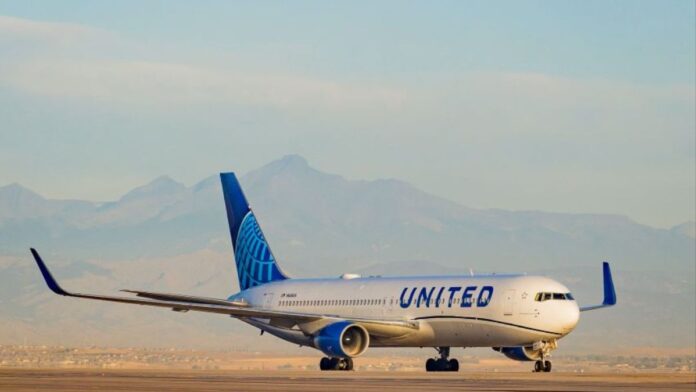
The united flight ua109 diversion unfolded on October 30, 2025. The Boeing 787-8, registration N28912, departed MUC at approximately 9:00 AM local time with around 200 passengers and crew. Cruising at 40,000 feet over the Atlantic, about 90 minutes into the flight—roughly 500-600 nautical miles west of Ireland—a cabin crew member reported severe pain from a blister. This condition worsened, impairing their ability to perform essential safety duties.
The captain, following protocols, assessed the situation. FAA and EASA regulations mandate that all crew must be fit to handle emergencies throughout the flight. With the crew member incapacitated, continuing posed a compliance risk. The decision: divert to the nearest suitable airport, Dublin (DUB), an ETOPS alternate equipped for wide-body jets.
The aircraft executed a U-turn, landing safely in Dublin around 3:00 PM GMT. Emergency services stood by, but no evacuation was needed. Medical teams evaluated the crew member on the ground; no hospitalization was required. After checks, the flight departed Dublin at 4:15 PM, arriving at IAD about two hours late. No injuries occurred, underscoring the precautionary nature of the diversion.
Why Diversions Happen: Medical Emergencies and Regulations
Diversions like the united flight ua109 diversion stem from a commitment to safety. In-flight medical events occur in one of every 212 flights globally, with an incidence of 39 per million passengers. While most are minor, 1.7% lead to diversions, often for neurologic or cardiovascular issues. Here, it was a crew medical issue—a blister causing debilitating pain.
Regulations from the FAA and EASA require full crew capability. If a crew member can’t perform, the flight becomes non-compliant. ETOPS (Extended-range Twin-engine Operational Performance Standards) plays a key role, ensuring twin-engine planes like the 787 can reach alternates within approved times. Dublin’s selection reflects its strategic location and facilities for transatlantic routes.
Crew health is paramount. Blisters, though seemingly minor, can escalate in pressurized cabins due to swelling or infection risks. Airlines train crews to report issues early, preventing worse outcomes.
Safety Protocols in Action
Aviation safety evolves constantly. ETOPS, now Extended Diversion Time Operations (EDTO), applies to all turbine-engine aircraft, allowing operations beyond 60 minutes from alternates if standards are met. For the 787, certifications like ETOPS 330 enable long routes safely.
In this case, protocols included onboard assessment, communication with ground support, and diversion decision-making. United’s teams coordinated with Dublin authorities for quick turnaround. Such measures minimize risks, with diversions costing $15,000 to $893,000 but saving lives potentially.
Volunteer medical professionals assist in about one-third of events, often influencing diversions. Here, the focus was regulatory compliance over passenger medical needs.
Impact on Passengers and Crew
Passengers on UA109 experienced minor disruption—a two-hour delay—but safety reassured them. Announcements kept everyone informed, reducing anxiety. No one deplaned in Dublin, maintaining efficiency.
For crew, the incident highlights wellness importance. Airlines provide support post-event, including counseling. Travelers might face rebookings or compensation under regulations like EU261 for significant delays.
United’s Response and Aftermath
United confirmed the diversion as precautionary, praising the crew’s handling. The airline reviewed procedures to prevent recurrences, aligning with its safety culture. Public statements emphasized no injuries and minimal impact.
Similar Incidents: Learning from History
Diversions for crew medical issues aren’t unique. In 2024, a United flight diverted due to a pilot’s illness, similar to UA109. Other examples include Air Mauritius where a passenger died mid-flight, though rare. Studies show neurological and cardiac events cause most diversions, but crew cases underscore fitness rules.
A Gulfstream case diverted for chest pain, later non-cardiac, shows diagnostic challenges. These events inform better training and equipment.
Aviation Statistics: Putting Diversions in Perspective
In-flight medical emergencies affect 1 in 212 flights, with 1.7% diverting. Suspected strokes and cardiac events top causes, with physician involvement raising diversion odds. Globally, incidence is 18.2 per million passengers.
United’s record shows 118 incidents in 2024-2025, all non-fatal. This data reassures, as aviation remains the safest travel mode.
Tips for Travelers: Handling In-Flight Medical Issues
Prepare for flights with these steps:
- Stay Hydrated: Drink water to prevent issues like dehydration.
- Report Early: Inform crew of discomfort promptly.
- Know Your Health: Carry medications and inform airlines of conditions.
- Assist if Able: If medical professional, volunteer wisely.
- Understand Rights: Check compensation policies for delays.
For more unexpected stories in travel, visit Influencers Gone Wild Blog.
FAQs
What caused the united flight ua109 diversion? A crew member’s medical issue led to the precautionary stop in Dublin.
How often do flights divert for medical reasons? About 1.7% of in-flight medical events result in diversions.
Is United Airlines safe for transatlantic flights? Yes, with a strong record and advanced protocols.
What is ETOPS in aviation? It ensures safe operations far from airports.
Can passengers get compensated for diversions? Depending on regulations and delay length.
Conclusion
The united flight ua109 diversion exemplifies aviation’s unwavering focus on safety, turning a minor crew issue into a managed event with no harm done. From United’s swift response to ETOPS enabling safe alternates, this incident reinforces trust in air travel. As we reflect on such stories, remember that protocols protect us all. What experiences have you had with flight diversions—share in the comments to help fellow travelers?